
Walk-Behind vs. Ride-On: Which One Fits Your Facility
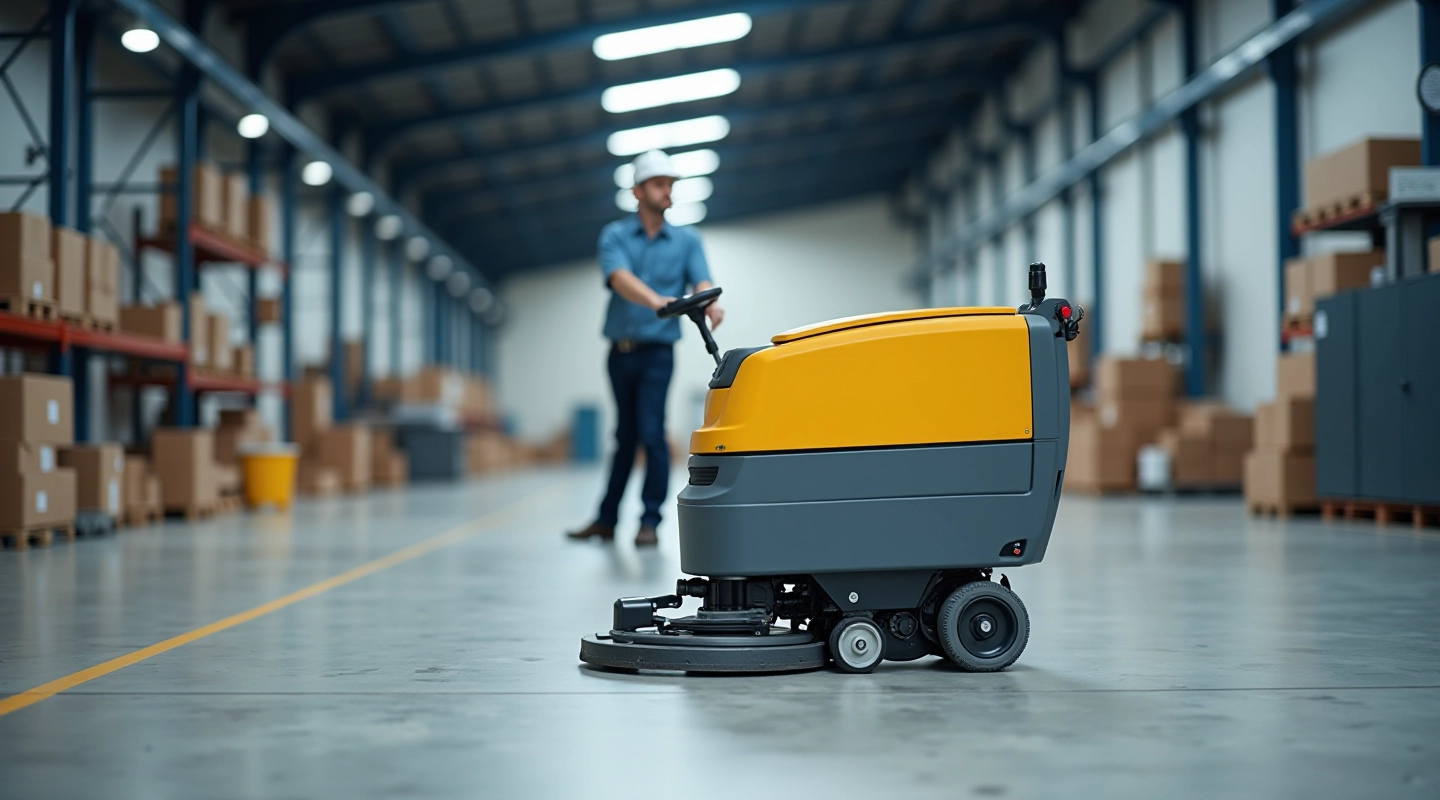
The first decision you'll face isn't about brand or price — it's about machine type. Walk-behind scrubbers work best in smaller spaces and tight corners. You're looking at coverage of maybe 3,000 to 5,000 square feet per hour, depending on the model and floor condition. They're maneuverable, easier to store, and don't require special operator training.
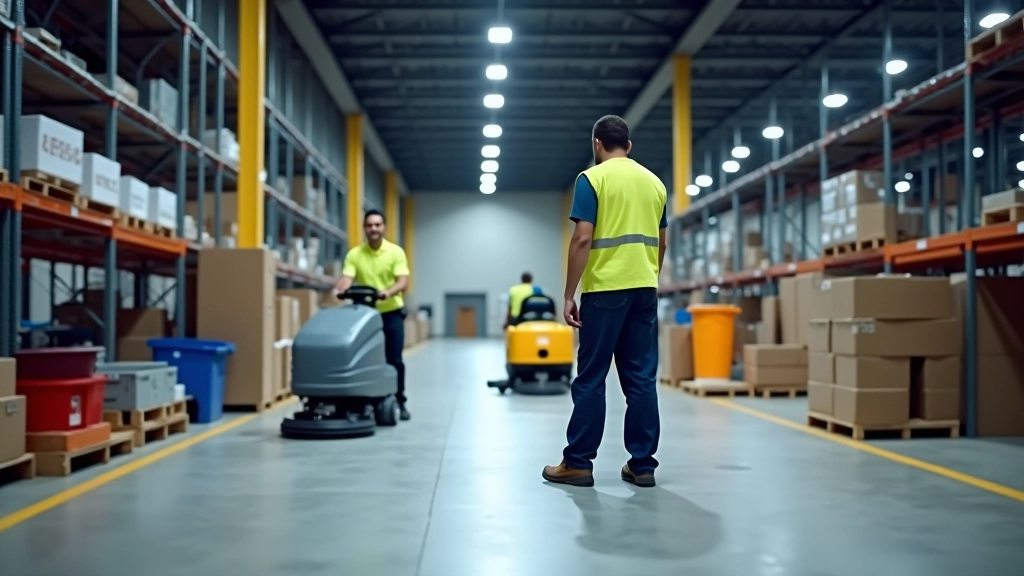
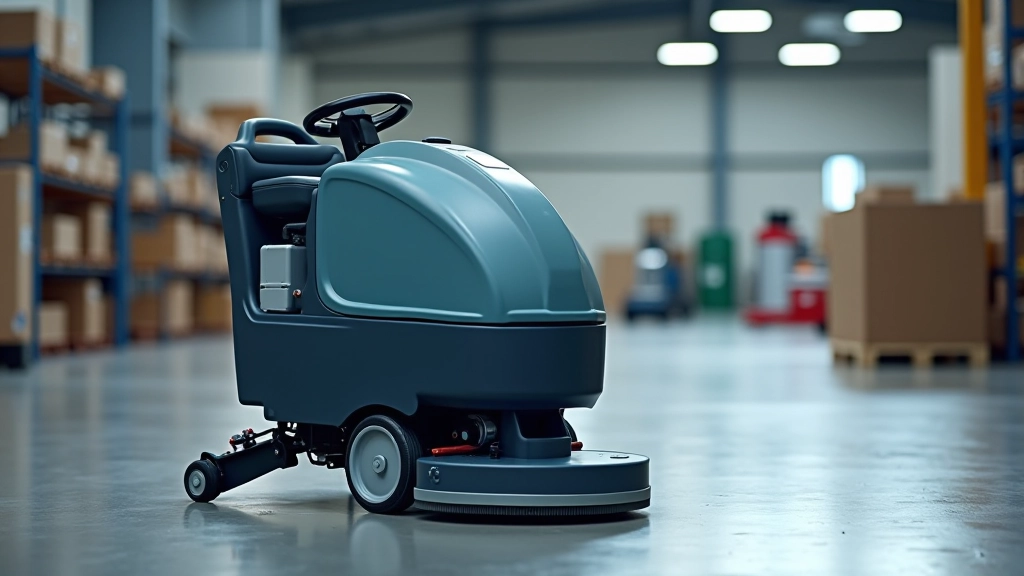
Ride-on machines handle larger areas efficiently. We're talking 8,000 to 12,000 square feet per hour. If your facility's over 10,000 square feet, the time savings alone justify the investment. Plus, operators get less physical fatigue, which matters when you're running multiple shifts. The trade-off? They need dedicated storage space and require trained operators.
- Walk-behind best for: retail spaces, offices, tight warehouse aisles
- Ride-on best for: large warehouses, manufacturing floors, distribution centers
- Hybrid option: keep one of each for different areas
Brushes vs. Pads: The Real Performance Difference
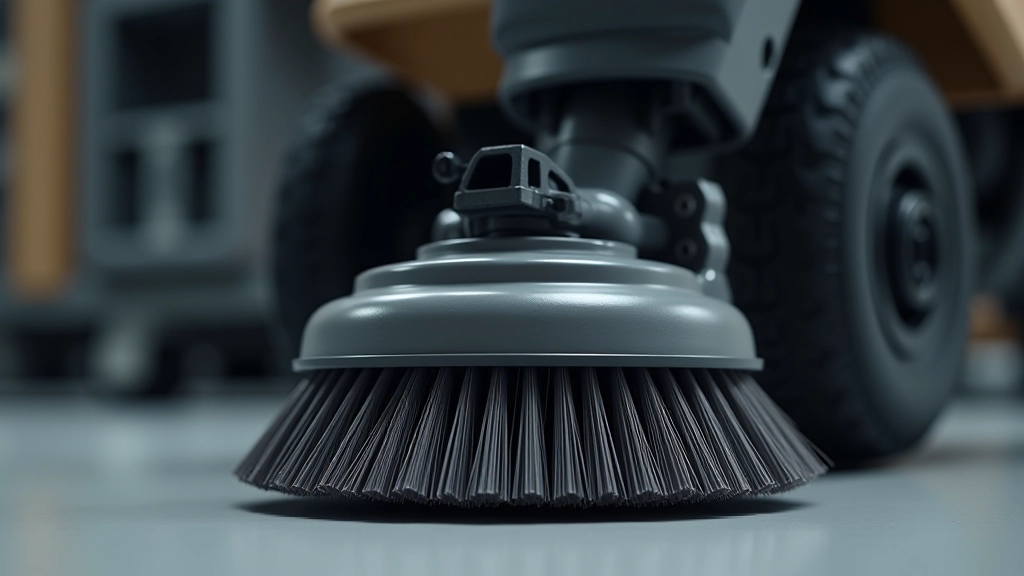
Here's where most people get confused. Brushes are aggressive — they scrub deeper, breaking up stubborn grime and oils. They're perfect for concrete floors in industrial settings. Pads are gentler. They're better for finished floors like sealed concrete, polished stone, or tile where you don't want surface damage.
The catch? Brush systems require more maintenance. Bristles wear down faster, especially on rough concrete. You're replacing them every 6-12 months depending on usage. Pads last longer — typically 12-18 months — but they don't handle ground-in dirt as well. Some facilities use both, rotating based on the floor condition.
Pro tip: Test both on a small area first. Don't assume what works elsewhere will work for your specific floors.
Water Recovery: Why It Matters More Than You Think
This is where equipment quality shows itself. Water recovery systems pull dirty water back into the machine instead of leaving it on your floor. Machines with poor recovery? You'll be dealing with wet floors for hours, creating slip hazards and extending dry time.
A solid recovery system removes 85-95% of moisture. That means floors dry in 15-30 minutes instead of 2-3 hours. It also reduces water consumption — you're not spraying extra water to compensate for what didn't get picked up. Over a month, that adds up. Plus, less standing water means fewer bacteria and mold issues.
Maintenance: The Hidden Cost Nobody Mentions
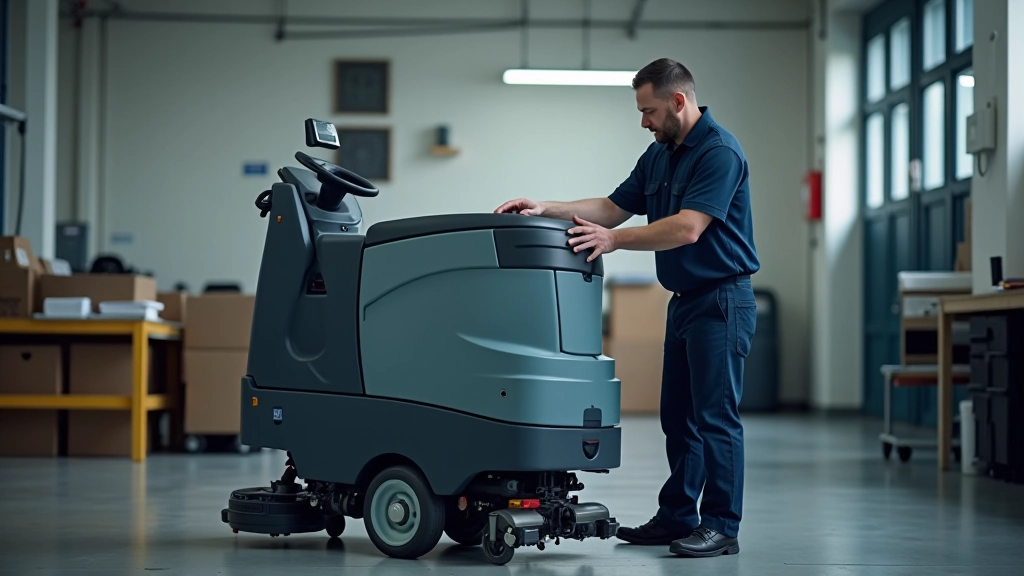
Budget for maintenance before you buy. Cheaper machines often have more expensive parts or harder-to-find replacements. A quality scrubber with standard parts (brushes, pads, squeegees) that you can source locally saves you time and money when something wears out.
Don't skip regular maintenance either. Clean the recovery tank weekly, check brush wear monthly, and replace filters on schedule. Neglect these tasks and you're looking at breakdowns that halt your cleaning schedule. Most facilities run 3-5 machines to ensure coverage even when one's down for service.
That's the reality nobody advertises — you need backup equipment. It sounds wasteful until your primary machine fails mid-week and you can't clean your facility.
What Actually Works: The Bottom Line
Picking the right scrubber comes down to three things: your facility size, your floor type, and your maintenance capacity. Walk-behind machines work fine for smaller spaces. Ride-on equipment handles industrial-scale areas. Brushes tackle tough grime; pads protect finished surfaces. And water recovery? It's not optional if you want floors that dry quickly and stay clean longer.
The best machine isn't the most expensive one — it's the one that matches your actual needs. Test different options, talk to operators who use them daily, and factor in maintenance costs. You're investing in equipment that'll run 5-10 years, so spend time getting the decision right.
Get in touch to discuss your facility's needsDisclaimer
This guide is provided for informational purposes to help facility managers understand industrial floor scrubber options. Specifications, performance metrics, and maintenance requirements vary significantly between manufacturers and models. Your facility's specific conditions — floor type, traffic patterns, soil composition, and facility size — will influence which equipment is most suitable. We recommend consulting with equipment specialists and testing machines in your actual environment before making purchase or lease decisions. This content reflects general industry practices and isn't a substitute for manufacturer specifications or professional equipment assessment.