
Building Your Janitorial Supply Inventory
Essential items every facility needs, bulk purchasing strategies, and how to avoid overstocking chemicals that lose potency.
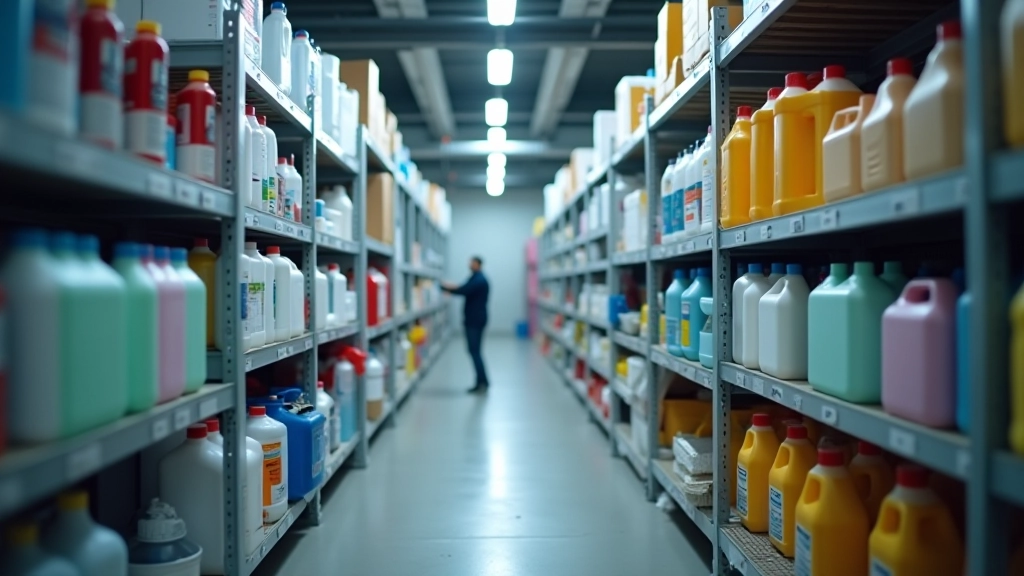
Getting Your Inventory Right
It's easy to either overbuy or underbuy when you're starting out. Most facility managers end up with shelves of expired products on one hand and emergency orders on the other. The trick isn't buying everything at once — it's knowing what you actually need and building smart.
We've worked with dozens of facilities across Cork. The ones that run smoothest have a clear inventory system from day one. You don't need complicated software or massive storage space. Just the right items in the right quantities.

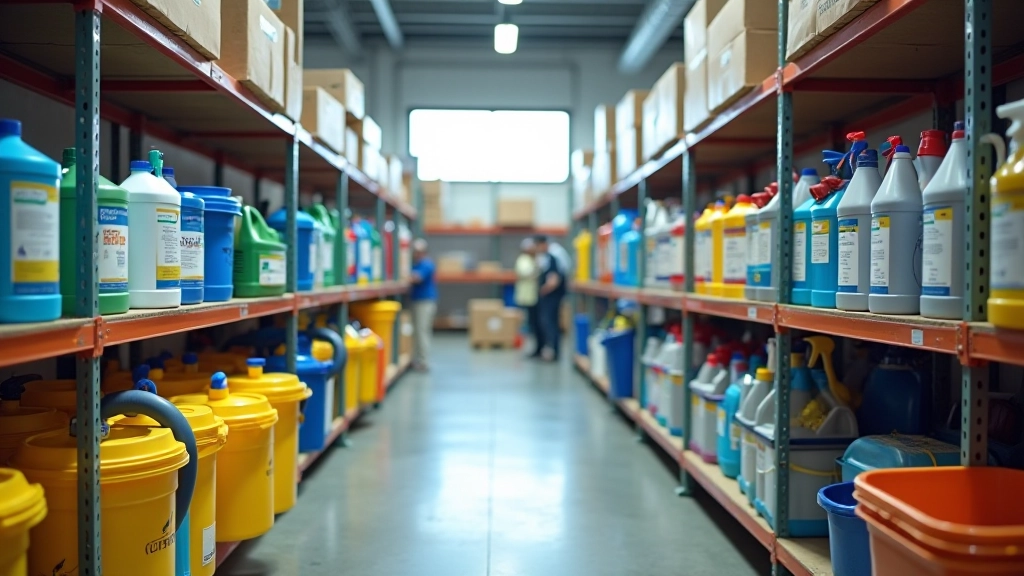
Core Items You Can't Skip
Every facility needs certain baseline items. These aren't fancy or optional — they're the foundation of any cleaning operation.
- Mops and handles — microfiber heads are worth the investment because they last
- Buckets with wringers — get at least 2, one for clean water and one for dirty
- All-purpose floor cleaner and neutral pH solution
- Disinfectant that actually kills what you need it to
- Trash liners in multiple sizes — don't cheap out here
- Paper towels and toilet paper — always buy more than you think you need
- Protective gloves and eye protection for chemical handling
The basic crew starts with these. Add specialty items once you see what your facility actually uses.
How Much Should You Actually Stock?
This depends on your facility size and cleaning frequency. But there's a formula that works. For a standard office building with 50,000 square feet cleaned daily, you're looking at different volumes than a small retail space.
Start with a 2-week supply. This gives you time to reorder without running out, and it's short enough that products won't expire sitting around. Once you see what you actually use, adjust up or down.
Track consumption for a month. Count what you use, note any shortcuts your crew takes, and watch for waste. Then you've got real data instead of guessing. Most facilities find they use 15-20% more than they expected because people grab extras "just in case."

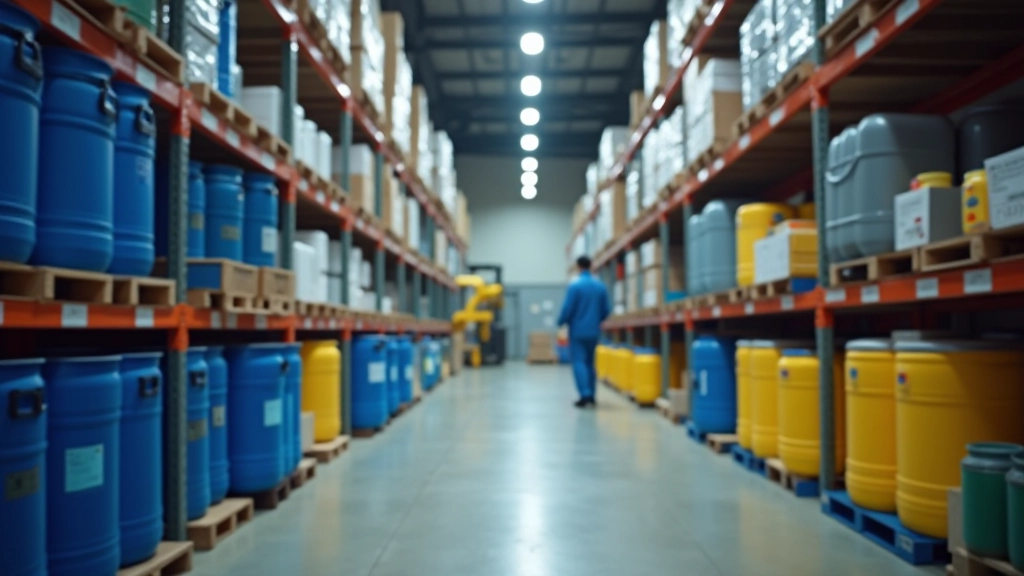
Bulk Buying Without the Headache
Bigger quantities usually mean better prices. That's the math. But you don't want to be stuck with 50 gallons of something nobody uses or that'll expire in 6 months.
The smart approach: buy non-perishable items in bulk (mops, liners, gloves, equipment) and keep chemicals in smaller quantities. Cleaning chemicals degrade over time, especially if they're stored in heat or direct sunlight. A gallon of floor stripper that sits for 18 months isn't a bargain anymore — it's waste.
Get volume discounts on items you know you'll use regularly. Negotiate with suppliers on delivery minimums. Some will drop prices if you commit to monthly orders instead of one giant purchase. You'll save money and keep your inventory fresh.
Storage and Rotation Matter More Than You Think
Where you store supplies affects how long they last. Keep chemicals away from heat, sunlight, and moisture. A dark corner of your facility works better than a hot utility closet. And don't just stack things randomly.
Use FIFO (First In, First Out)
When new stock arrives, put it behind the old stock. This way you're always using the older items first. It sounds simple but most facilities skip this step. Then they wonder why they're throwing away expired products.
Label everything with the purchase date. Seriously. A marker and a piece of tape takes 5 seconds and prevents problems. Your staff will know what's actually old versus what just looks old.
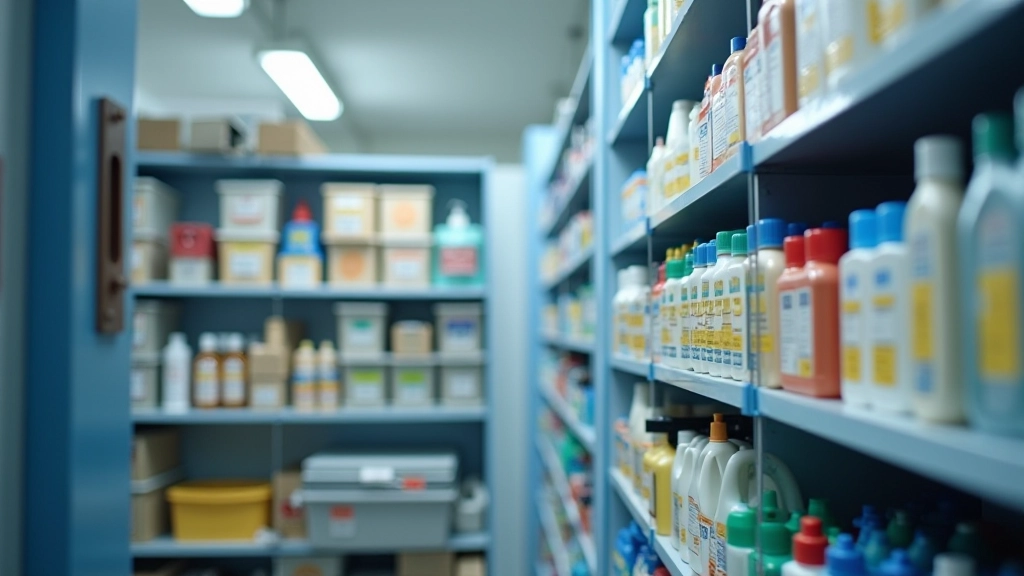
Start Simple, Build From There
You don't need a perfect system on day one. Start with the essentials, track what you actually use, and adjust. Keep it organized, rotate stock properly, and buy bulk items that won't expire. Within a few weeks you'll see what works and what doesn't.
The best inventory system is the one your team will actually use. If it's too complicated, people skip steps. Keep it practical, keep it visible, and you'll spend less time managing supplies and more time focusing on what matters — keeping the facility clean.
This guide is informational only. Inventory needs vary significantly based on facility size, cleaning frequency, and specific requirements. Consult with your team and suppliers to determine what's appropriate for your situation. Always follow manufacturer guidelines for storage, handling, and safety of cleaning chemicals.